
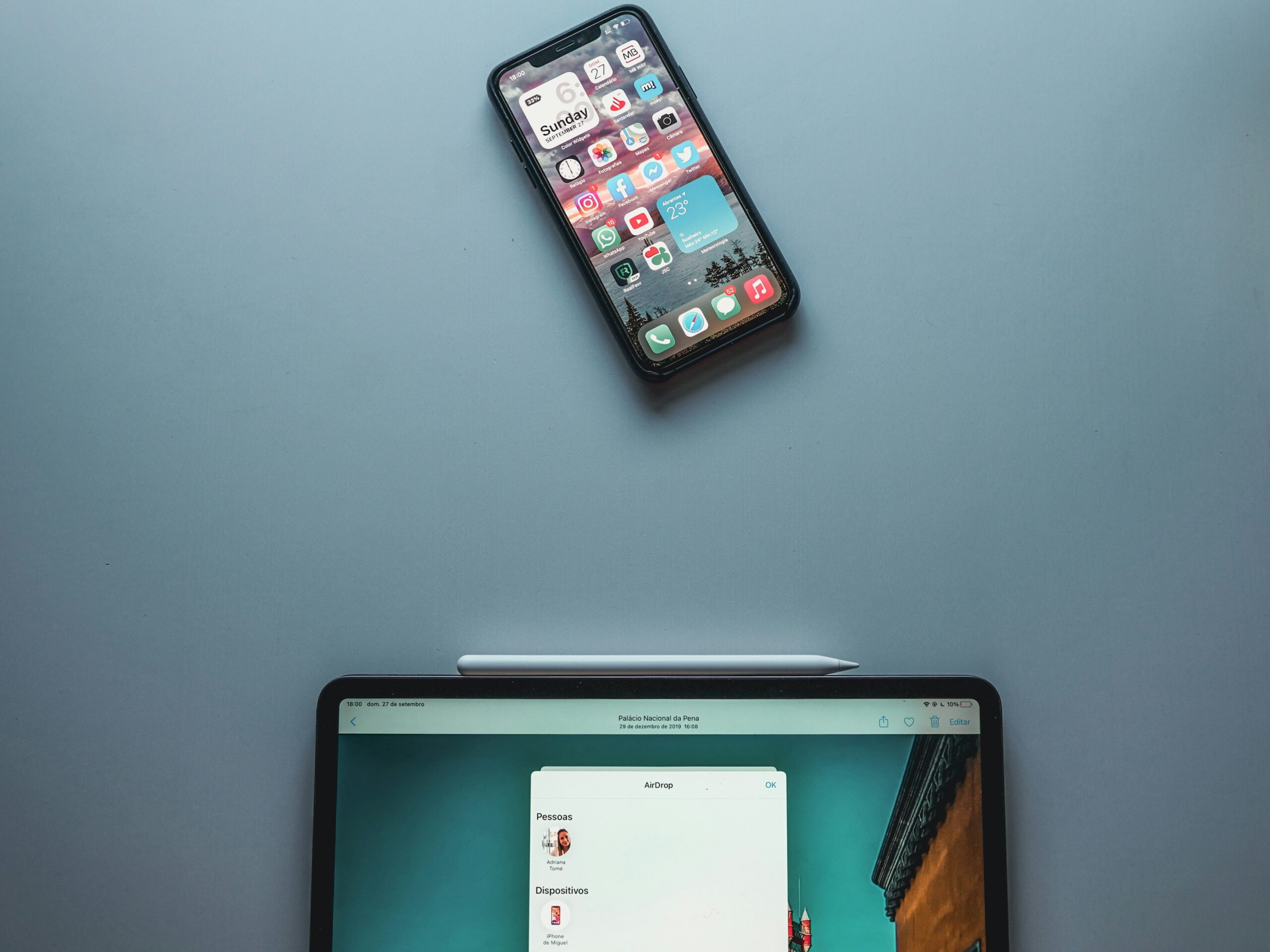
In today’s digital world, it’s easy to feel constantly plugged in—checking emails, scrolling through social media, or responding to messages almost non-stop. I’ve noticed firsthand how this nonstop connection can leave me feeling drained, tense, and mentally foggy. What many of us don’t realize is how deeply this constant exposure to technology can affect our physical health and overall wellbeing.
When we’re glued to screens, our nervous system stays in a heightened state of alert, triggered by the endless stream of notifications, bright lights, and fast-moving content. This overstimulation causes our bodies to produce more stress hormones like cortisol, which, over time, can lead to chronic stress, poor sleep, and even inflammation. Our muscles tighten, digestion slows, and our energy tanks faster than we expect.
Disconnecting from technology—even for short periods—gives our bodies a chance to breathe and reset. When I make time to step away from my phone or computer, I immediately feel calmer and more present. This downtime helps reduce the “fight or flight” stress response, lowering blood pressure and relaxing muscle tension. It also allows the digestive system to work more efficiently, which is often overlooked but so important for overall health.
Beyond the physical benefits, disconnecting invites a mental shift. Without constant distractions, I find it easier to be mindful, enjoy the present moment, and reconnect with myself and those around me. This deeper relaxation promotes better quality sleep, giving the immune system a chance to strengthen and repair.
Making space from technology isn’t about completely cutting it out—it’s about balance. Setting boundaries, like no screens before bedtime or designating tech-free hours, can be incredibly healing. When we allow ourselves these breaks, our bodies respond with renewed energy, clearer focus, and a genuine sense of wellbeing. Taking time to unplug is truly an act of kindness toward your body and mind.